


Custom Solar Camera Manufacturer
SURE SAFE TECHNOLOGY CO., LTD. has been one of the leading CCTV systems solution and service suppliers for many years. The company specializes in wind and solar hybrid monitoring systems at present, aiming to deliver cost-effective and fit-for-purpose solutions.
Why Choose Us
Rich Experience
We have 10+ years of experience in CCTV system solutions. With extensive knowledge in developing CCTV cameras, we have our own SMT chip placement machines and injection molding machines and can customize camera designs for customers.
Wide Product Range
We specialize in CCTV systems and CCTV cameras, including wind and solar hybrid monitoring systems, home monitoring systems, car monitoring systems, nanny monitoring systems, low-power solar cameras, 4G cameras, hidden cameras, etc.
Professional Service
We guarantee that each order will be strictly inspected before shipment. At the same time, if customers have any after-sales requirements, we will provide improvement measures and the best solution as soon as possible.
OEM & ODM Available
OEM & ODM orders are very welcome. Our professional engineering team work on developing OEM&ODM camera and the quality of our products are always met by our clients. There are around 40 new cameras launched every year.
-
![Spherical Waterproof PTZ Solar Camera]() Spherical Waterproof PTZ Solar CameraSolar-powered cameras utilise renewable energy, reducing reliance on non-renewable resources. By utilising the sun's energy, they promote sustainable practices and contribute to a greener
Spherical Waterproof PTZ Solar CameraSolar-powered cameras utilise renewable energy, reducing reliance on non-renewable resources. By utilising the sun's energy, they promote sustainable practices and contribute to a greener -
![1080p Video Surveillance Outdoor]() 1080p Video Surveillance OutdoorOne option for storing the video is to buy a DVR, but you do not have to be limited to the storage space you can house on-site. With great wireless outdoor security camera systems that connect to the
1080p Video Surveillance OutdoorOne option for storing the video is to buy a DVR, but you do not have to be limited to the storage space you can house on-site. With great wireless outdoor security camera systems that connect to the -
![Solar Camera]() Solar CameraThis Spherical waterproof PTZ Solar Camera is equipped with high resolution 1920x1080 night vision and color night vision function, it can show you colorful video.At the same time, the wireless
Solar CameraThis Spherical waterproof PTZ Solar Camera is equipped with high resolution 1920x1080 night vision and color night vision function, it can show you colorful video.At the same time, the wireless -
![Cctv-camera]() Cctv-cameraWith 1080P 15fps resolution, the Wireless Outdoor Security Solar Camera captures sharp and bright videos. Offers ultra-clear images and videos regardless of weather.12 infrared lights automatically
Cctv-cameraWith 1080P 15fps resolution, the Wireless Outdoor Security Solar Camera captures sharp and bright videos. Offers ultra-clear images and videos regardless of weather.12 infrared lights automatically -
![Wireless Outdoor Security Camera For Home Security]() Wireless Outdoor Security Camera For Home SecurityWith 1080P 15fps resolution, the Wireless Outdoor Security Solar Camera captures sharp and bright videos. Offers ultra-clear images and videos regardless of weather.12 infrared lights automatically
Wireless Outdoor Security Camera For Home SecurityWith 1080P 15fps resolution, the Wireless Outdoor Security Solar Camera captures sharp and bright videos. Offers ultra-clear images and videos regardless of weather.12 infrared lights automatically -
![Intelligent Solar Camera]() Intelligent Solar CameraWith 1080P 15fps resolution, the Intelligent Solar Camera captures sharp and bright videos. Offers ultra-clear images and videos regardless of weather.12 infrared lights automatically sense the
Intelligent Solar CameraWith 1080P 15fps resolution, the Intelligent Solar Camera captures sharp and bright videos. Offers ultra-clear images and videos regardless of weather.12 infrared lights automatically sense the -
![Street Light Solar CCTV Cameras]() Street Light Solar CCTV CamerasWith 1080P 15fps resolution, the Intelligent Solar Camera captures sharp and bright videos. Offers ultra-clear images and videos regardless of weather.
Street Light Solar CCTV CamerasWith 1080P 15fps resolution, the Intelligent Solar Camera captures sharp and bright videos. Offers ultra-clear images and videos regardless of weather. -
![PIR Intelligent Solar Bullet Camera]() PIR Intelligent Solar Bullet CameraWhen motion is detected, alert notification and detection video will send to your phone in real time, you may use it in outdoor to communicate smoothly and clearly with people near the camera through
PIR Intelligent Solar Bullet CameraWhen motion is detected, alert notification and detection video will send to your phone in real time, you may use it in outdoor to communicate smoothly and clearly with people near the camera through -
![Wifi Solar Powered Outdoor Security Camera]() Wifi Solar Powered Outdoor Security CameraThe solar panel can provide inexhaustible energy for the camera on sunny days. Using Battery Power if in Cloudy.wifi solar powered outdoor security camera adopts ultra-low power consumption
Wifi Solar Powered Outdoor Security CameraThe solar panel can provide inexhaustible energy for the camera on sunny days. Using Battery Power if in Cloudy.wifi solar powered outdoor security camera adopts ultra-low power consumption -
![Spherical Waterproof PTZ Solar Camera]() Spherical Waterproof PTZ Solar CameraThis Spherical waterproof PTZ Solar Camera is equipped with high resolution 1920x1080 night vision and color night vision function, it can show you colorful video.At the same time, the wireless
Spherical Waterproof PTZ Solar CameraThis Spherical waterproof PTZ Solar Camera is equipped with high resolution 1920x1080 night vision and color night vision function, it can show you colorful video.At the same time, the wireless -
![2MP HD Solar Power Camera]() 2MP HD Solar Power CameraFor emergency use, this 2MP HD solar power camera provides the AP mode to you, which means you can connect to the solar camera directly by the camera's WIFI signal,In order to protect your property
2MP HD Solar Power CameraFor emergency use, this 2MP HD solar power camera provides the AP mode to you, which means you can connect to the solar camera directly by the camera's WIFI signal,In order to protect your property -
![Solar Home Security Cameras]() Solar Home Security CamerasThis Solar Home Security Cameras with IP66 great weatherproof performance, this wireless wifi solar camera can prevent water from seeping into the camera and withstand a temperature range from -20°C
Solar Home Security CamerasThis Solar Home Security Cameras with IP66 great weatherproof performance, this wireless wifi solar camera can prevent water from seeping into the camera and withstand a temperature range from -20°C


Brief Introduction to Solar Camera
A solar camera is a security camera that uses the sun's energy to function. These devices come with a solar panel that captures sunlight, then converts it into electrical energy stored in a built-in rechargeable battery. This feature ensures that the camera works seamlessly without any power interruptions, perfect for outdoor surveillance or remote areas where power access is limited.

Solar-powered security cameras operate on a simple yet effective principle: harnessing solar energy to power the camera system. These cameras utilize solar panels to convert sunlight into electrical energy, which is then stored in batteries for later use. Let's delve into the working principle of solar-powered security cameras:
Solar Energy Conversion
The solar panel, typically mounted on or near the camera unit, is made up of photovoltaic cells. These cells are designed to capture sunlight and convert it into direct current (DC) electricity. As sunlight hits the cells, the photovoltaic materials within the cells generate an electric charge, creating a flow of electrons.
Battery Storage
The converted solar energy is then transferred to the battery for storage. The battery acts as a reservoir, storing the electrical energy generated by the solar panel. This stored energy ensures that the camera system remains operational during periods of low or no sunlight, such as at night or on cloudy days.
Power Supply to the Camera Unit
The stored energy in the battery is used as a power supply for the camera unit. When the camera needs power, it draws energy from the battery to operate the various components, including the image sensors, lenses, and connectivity features.
Energy Management
Efficient energy management is crucial for the proper functioning of solar-powered security cameras. These cameras are equipped with intelligent power management systems that optimize energy usage and ensure continuous surveillance. The system monitors the battery's charge level and adjusts the power consumption of the camera unit accordingly, such as reducing certain features or entering power-saving modes when necessary.
Solar Charging
During daylight hours when the solar panel is exposed to sunlight, it continues to generate electricity. Any excess energy not immediately used by the camera system is used to recharge the battery. This process allows the camera to continually replenish its power supply and ensures uninterrupted operation even during extended periods of low sunlight or adverse weather conditions.
Overall, solar-powered security cameras work by efficiently converting solar energy into electrical power, which is stored in batteries to provide continuous operation. This self-sustaining power source eliminates the need for traditional electrical wiring or frequent battery changes. The combination of solar energy conversion, battery storage, and intelligent power management ensures that solar-powered security cameras can deliver reliable and uninterrupted surveillance for enhanced home security.
Advantages of Solar Camera
Flexibility
Since a solar security camera is powered by harvesting the sun’s energy via connected solar panels, the issue of having no power lines or electricity is no longer a problem. So long as the user installs the solar panel camera in the proper position, the security camera is able to collect and store enough power to keep it running indefinitely. Most solar panel cameras also come with a battery backup power unit in order to compensate for consecutive cloudy days preventing the solar energy from reaching the solar panels fully. Using a high vantage point to be able to collect the most possible energy also provides users the added ability to cover an entire property with fewer security cameras in place.
Affordability
Solar panel security cameras actually aren’t all that new, but the recent trend in using solar power surveillance technology is primarily due to their surprising affordability. As more security camera manufacturers and CCTV suppliers compete for relevance in a highly competitive market, the cost of solar security camera systems has dropped dramatically overall. Some might say this is because of the financial incentives that are given to people who use solar panels to power their home, which is partly true since the materials to manufacture solar panel security cameras are now much more accessible than they were even a few years ago.
Scalability
The final benefit of using solar panel security cameras is the impressive scalability option it gives to the users thanks to 4G cellular technology. 4G solar security cameras are able to store all their video recordings into a cloud-based surveillance video storage system from anywhere that has 4G connectivity. 4G wireless solar cameras are ideal security and surveillance solutions for everything from farms and construction sites to mobile homes and campers. They do not require the usual wired installation setup nor do they need to be in the same network like a normal IP wireless camera system would.
Weatherproof
You may have questions about how these devices work and their limitations. One of the questions often asked is, are solar-powered security cameras any good on cloudy and rainy days? The answer is yes. The solar panels connected to solar security cameras can still generate power on cloudy and rainy days because excess power stored in their rechargeable batteries on sunny days can help them through days with cloud cover, although they won’t be recouping as much power for the next day.
Applications of Solar Camera

Construction
Solar-powered CCTV systems can be used to monitor construction sites and ensure the safety of workers and equipment. They can also be used to prevent theft and vandalism of equipment and materials.

Security
Solar-powered CCTV systems provide a cost-effective and reliable solution for remote locations and areas where traditional CCTV systems are not feasible. They can be used to monitor entrances and exits, parking lots, and other areas of interest, reducing the risk of theft, vandalism, and unauthorized access.

Highways
Solar-powered CCTV systems can be used to monitor traffic flow, detect accidents, and identify traffic violations. They can also be used to monitor bridges, tunnels, and other critical infrastructure, reducing the risk of accidents and improving safety.

Oil & Gas
Solar-powered CCTV systems can be used to monitor oil and gas pipelines, refineries, and other critical infrastructure. They can be deployed quickly in remote locations, providing reliable and continuous surveillance to detect and prevent theft, vandalism, and other security threats.
Components of Solar Camera
Solar Panel
Solar security cameras are equipped with a built-in solar panel that captures sunlight and converts it into electrical energy. The solar panel typically consists of multiple photovoltaic (PV) cells made of semiconducting materials.
Solar Energy Conversion
The PV cells in the solar panel absorb photons from sunlight, which creates an electric field across the layers of the cell. This process, known as the photovoltaic effect, generates a direct current (DC) electricity flow.
Battery Storage
Solar security cameras are often equipped with rechargeable batteries to store excess solar energy generated during daylight hours. The batteries allow the camera to operate during nighttime or in low-light conditions when sunlight is not available.
Camera Operation
The electrical energy produced by the solar panel or stored in the batteries powers the internal components of the security camera, including the image sensor, lens, and other electronics. The camera captures video footage or images based on its configuration and settings.
Wireless Connectivity
Solar security cameras may incorporate wireless connectivity, such as Wi-Fi or cellular networks, to transmit the captured footage or images to a remote location. This allows users to monitor the camera feed in real-time or review recordings from a different location.
Motion Detection and Alerts
Many solar security cameras feature motion sensors that can detect movement within their field of view. When motion is detected, the camera may trigger an alert, such as sending a notification to a connected mobile device or activating a siren.
Power Management
Solar security cameras often have power management systems that optimize energy usage. These systems regulate the power flow, ensuring that the camera operates efficiently while maintaining a charge in the battery.
Weatherproof Design
Solar security cameras are typically designed to withstand outdoor conditions. They are built with weatherproof and durable materials, protecting them from rain, dust, and extreme temperatures.
Maintenance Tips for Your Solar Camera
Regular Cleaning
Over time, dust particles can accumulate on the camera lens, significantly hampering the camera's clarity and overall performance. Regular cleaning ensures that your camera captures high-quality video. Use a microfiber cloth to gently clean the lens without scratching it. A blower or can of compressed air can also be used to remove dust particles from hard-to-reach areas. Also, keep the camera body clean. This not only ensures that the device functions optimally, but it also keeps the camera looking professional and well-maintained.
Ensure Adequate Lighting
Good lighting can greatly enhance the effectiveness of your security cameras. While most modern security cameras have built-in night vision capabilities, they still perform best under well-lit conditions. For high-quality, color recording even in low light conditions, consider installing efficient commercial LED strips around the camera. This provides a consistent light source, enhancing visibility without straining the camera sensors. These LED strips are energy-efficient, durable, and can withstand various weather conditions, making them a practical choice for outdoor surveillance setups.
Firmware Updates
Regular firmware updates are essential to keep your camera system running at peak performance. Manufacturers often release updates that address known issues, improve device performance, or introduce new features. Skipping updates can result in the camera becoming susceptible to software bugs or security vulnerabilities. Make sure to follow the manufacturer's instructions while updating the firmware to avoid accidental mishaps. Firmware updates are typically performed through the camera's software interface and often require the device to restart.
Check Camera Mounts
The mounts or brackets holding the camera in place must be checked regularly for any signs of loosening or wear. A shaky or loose mount can result in unstable video feeds, limited visibility, or even a total blind spot if the camera shifts significantly. In worst-case scenarios, the camera might fall, leading to potentially expensive repairs or replacements. Camera mounts should be firm and sturdy to withstand environmental conditions, particularly in outdoor setups where wind or weather can affect stability.
Monitor Signal Strength
For wireless security cameras, network connectivity is key. These cameras rely on a strong Wi-Fi or cellular signal to transmit video feeds to the central system or your device. Regularly monitor the signal strength on your cameras to prevent lagging video feeds or dropped connections. Consider investing in network range extenders or mesh networks if your cameras are located far from the Wi-Fi router, especially for larger properties. Regular signal checks can help you ensure your camera stays connected and performs optimally.
Test Camera Angles
Optimal camera angles maximize the coverage area and can provide clear views of essential spots. Over time, due to factors like wind or small vibrations, cameras may shift slightly. Regularly test and adjust the camera angles to ensure they provide the best coverage. Software tools are available that can help visualize the camera's field of view, helping you adjust the angles more accurately. Also, consider potential changes in the surroundings, like growing vegetation or new structures, which could obstruct the camera's view.
Step-by-Step Installation Process for Solar CCTV Camera


1. Choose the Installation Location
Select a suitable location for your solar CCTV camera. It should have a clear line of sight and provide maximum coverage of the area you want to monitor. Consider any environmental factors such as obstructions or shade that might affect the camera's performance.
2. Install the Solar Panel
Secure the solar panel mounting frame or pole following the manufacturer's instructions. Ensure it is positioned at an optimal angle to receive maximum sunlight. Connect the solar panel to the camera system using the provided wires and connectors.
3. Mount the Camera
Attach the camera to the mounting brackets using screws. Ensure it is secured tightly and positioned correctly for optimal coverage. Make sure the camera is facing the desired direction and is tilted at an appropriate angle for capturing the intended field of view.
4. Connect the Camera to the Power Source
Connect the camera to the battery or power bank. Ensure all the wires are correctly connected, and there are no loose connections. Test the camera's functionality by turning it on and checking the video feed.
5. Secure the Wiring
Conceal the wires and connectors to protect them from potential damage and vandalism. Use waterproof sealant and conduit pipes to secure the wires and keep them hidden from sight. Ensure that all wiring is protected from the elements and safely routed to the battery or power bank.
Ensuring Optimal Placement and Positioning
To ensure your solar CCTV camera system functions optimally, consider the following placement and positioning tips
- Place the camera higher up to avoid tampering or vandalism.
- Tilt the camera downward slightly to cover the desired field of view.
- Avoid direct sunlight hitting the camera lens, as it may affect image quality.
- Adjust the camera's settings, such as motion detection sensitivity, to minimize false alarms.
- Regularly clean the camera lens to maintain image clarity.
- Test the camera's coverage and adjust its position if needed.
The Considerations for Buying Solar Camera

Solar Panel Capacity of Solar Security Camera
The amount of electricity that a solar panel in a solar security camera can generate is determined by a variety of factors, such as the average amount of sunlight, weather conditions, the tilt angle of the panels, and more. The solar panels that come with the security camera should generate enough power to power the camera for 8 hours a day. At the same time, it should also be able to have a fully charged battery. To ensure the efficiency of the solar panel is at its best, make sure that nothing is blocking the direct sunlight from the solar panel. If you are in the northern hemisphere, orient the PV panels due south; if you are in the southern hemisphere, orient the PV panels due north for maximum natural resources. Also keep your solar security camera’s panel clear of possible obstructions, such as shadows from nearby trees or shrubs. In addition, it can improve the performance of the security camera by regularly wiping the surface of the solar panel with a damp paper towel or cloth to remove dust or debris.
How Much Battery Does Your Solar Security Camera Need
These rechargeable batteries can power your solar-powered security camera in low sunlight. Solar security cameras should be equipped with rechargeable batteries to power the camera when the sun is low. The capacity of the battery should be at least 10 times the maximum output capacity of the solar panel. Otherwise, the battery may be damaged by overcharging. The average charging time is about 6 to 8 hours. This stored power should last from 1 week to 3+ months without additional charging. Of course, it is possible that only the camera is actively recording when the motion detector is triggered or when the user is connected to the camera. The storage capacity of a battery is measured in milliamp hours or milliamp hours. The more features a camera has that require power (such as two-way audio, Wi-Fi connectivity, and night vision), the more battery capacity it will require. A shortcut to choosing a battery for your solar security camera is to buy a solar IP camera with a rechargeable battery.


Where Will the Solar Security Camera Save the Video
If you prefer to record motion-activated video locally without charging a subscription fee, a solar powered security camera with an SD card might be a good option. You can also easily playback and manage video from wireless solar surveillance cameras via the phone’s motion sensor stored on the memory card. If you prefer to access your data anywhere on your mobile device with an internet connection then opt for a cloud service and you can access your data anywhere on your mobile device with an internet connection. The footage of the wireless solar security camera with motion sensor can be Save on your phone’s SD card.
Data Transmission of the Solar Security Camera
WiFi solar security cameras with motion sensors can send instant alerts when the network is connected. You can also watch solar wireless home security cameras live through the APP on your smartphone. If there is no network in the monitored place, don’t worry! Solar security camera with SD card (slot) can still record motion sensing events even without WiFi/Internet. But if you want to watch your wireless solar security camera live or receive instant alerts, an internet connection is a must. Thanks to the introduction of solar-powered cellular security cameras, they can operate on 3g/4G cellular data and work where there is no hardwired internet or WiFi, like 4g solar-powered security cameras. Any feature of a wireless solar security camera you can find in a solar cellular security camera.

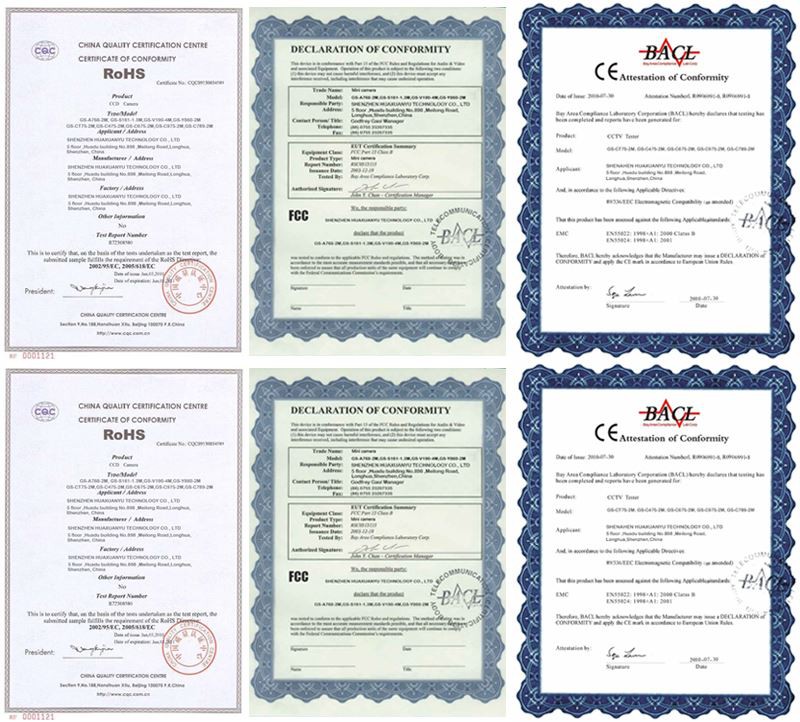
The factory was established in 2012, covering 20000 square feet, and has extensive knowledge in developing CCTV cameras.We have passed CE and FCC certifications.
Q: Can solar cameras be used for continuous recording?
Q: Are solar cameras vandal-resistant?
Q: Can solar security cameras operate in low light conditions?
1. Battery Backup
Solar security cameras may have built-in rechargeable batteries that store excess energy generated during the day. This stored energy can be used to power the camera during low light periods or at night.
2. Infrared (IR) Night Vision
Many solar security cameras are equipped with infrared LEDs or sensors that can capture clear images in complete darkness. These cameras switch to black-and-white mode and use IR illumination to enhance visibility in low light conditions.
3. Motion Detection
Solar security cameras often have motion detection capabilities, allowing them to activate only when motion is detected. This conserves power by minimizing continuous recording or monitoring in low light situations when there is no activity.
It's important to note that the specific capabilities of solar security cameras may vary between different models and manufacturers. It is recommended to check the specifications and features of the particular camera you are considering to ensure it meets your requirements for low light conditions.
Q: Are there any security concerns or risks associated with using solar cameras?
Solar power is dependent on sunlight. If there are extended periods of bad weather or limited sunlight, the camera might not function optimally. Ensure the solar panels can capture enough sunlight to keep the camera running consistently.
Battery Life
Check the battery capacity and whether it can store enough power for cloudy days or nights. A reliable battery backup is crucial for uninterrupted surveillance.
Maintenance
Regular maintenance is essential to keep the solar panels clean and functioning. Dust, dirt, or bird droppings can reduce their efficiency and affect the camera's performance.
Security of Equipment
As these cameras are often placed in remote locations, ensure they are secured properly to prevent theft or vandalism. Additionally, choose cameras with encrypted transmission to protect the footage.
Q: What are solar-powered security cameras?
The key components of solar-powered security cameras, including the solar panel, battery, camera unit, and connectivity features, work together seamlessly to ensure continuous operation and optimal performance. The working principle of these cameras revolves around harnessing solar energy to power the system, making them self-sustaining and independent of electrical power sources.
Solar-powered security cameras find applications in various settings, including residential properties, rural areas, construction sites, roads and highways, outdoor events, and environmental monitoring. Their versatility and ability to operate in locations without access to electricity make them a practical and accessible surveillance solution.
While solar-powered security cameras have numerous advantages, it's important to consider their limitations. Factors such as sunlight availability, power storage capacity, limited placement options, initial cost, maintenance requirements, and system scalability should be carefully evaluated to ensure that solar-powered security cameras align with specific needs and conditions.
Proper installation and regular maintenance are essential for the effective operation and longevity of solar-powered security cameras. Following best practices, including assessing sunlight availability during installation, cleaning the solar panel regularly, and monitoring battery health, will ensure optimal performance and reliability.
In conclusion, solar-powered security cameras offer a sustainable and efficient solution for home security and surveillance needs. By capitalizing on the power of the sun, these cameras provide reliable surveillance, reduce energy consumption, and minimize environmental impact. With the advancements in technology, the future looks promising for solar-powered security cameras as a mainstream choice for enhanced security and peace of mind.
As one of the leading solar camera manufacturers in China, we warmly welcome you to buy discount solar camera for sale here from our factory. All our products are with high quality and low price. For quotation, contact us now.
cctv camera with dvr, solar cctv camera 4g, residential surveillance camerasPopular Products


