


Custom Solar Camera Manufacturer
SURE SAFE TECHNOLOGY CO., LTD. has been one of the leading CCTV systems solution and service suppliers for many years. The company specializes in wind and solar hybrid monitoring systems at present, aiming to deliver cost-effective and fit-for-purpose solutions.
Why Choose Us
Rich Experience
We have 10+ years of experience in CCTV system solutions. With extensive knowledge in developing CCTV cameras, we have our own SMT chip placement machines and injection molding machines and can customize camera designs for customers.
Wide Product Range
We specialize in CCTV systems and CCTV cameras, including wind and solar hybrid monitoring systems, home monitoring systems, car monitoring systems, nanny monitoring systems, low-power solar cameras, 4G cameras, hidden cameras, etc.
Professional Service
We guarantee that each order will be strictly inspected before shipment. At the same time, if customers have any after-sales requirements, we will provide improvement measures and the best solution as soon as possible.
OEM & ODM Available
OEM & ODM orders are very welcome. Our professional engineering team work on developing OEM&ODM camera and the quality of our products are always met by our clients. There are around 40 new cameras launched every year.


This waterproof solar CCTV camera is a no electricity, no wiring, simple installation, ready-to-use outdoor surveillance camera; suitable for homes, yard entrances, fish ponds, orchards, farms, mines, construction sites, and all places where it is not convenient to connect electricity wiring.

This solar camera for farms comes with a rechargeable battery and 5.8w detachable solar panel for no worry about battery life and electricity shortage, this solar camera is 2.4G WiFi enabled, so you can remotely control the camera, and stream real-time video almost anywhere. It is your favorite security camera to monitor your yard entrance, garage, office, garden, or home, at any time.

Low Power Solar Surveillance Cameras
Low Power solar surveillance cameras have advanced high-technology motion sensor that allows the reduction of false alerts, when PIR motion is triggered, it will send alarm notifications to your smartphone and record a short video clip of the event to a removable micro SD card(Max 128GB, Not included) or cloud storage(30 days free trial).

This Low Power Solar Camera comes with 2 sections of 18650# high capacity rechargeable battery and a 7w detachable solar panel for no worry about battery life and electricity shortage, this camera is 2.4G WiFi enabled, so you can remotely control the camera, and stream real-time video almost anywhere. it is your favorite security Low Power Solar Camera to monitor your yard entrance, garage, office, garden, and home.

1080p Video Surveillance Outdoor
1080P solar PTZ Video Surveillance camera outdoor comes with a large capacity rechargeable battery and solar panel. truly wireless camera, No need to plug in a power adapter. just install a Wi-Fi camera anywhere you want, recommended to install it in a sunny location, solar panels can continuously charge the outdoor security camera during the day, and the battery power will be used at night, Even in continuous rainy weather, it can continue to work.

These Solar Home Security Cameras with IP66 have great weatherproof performance, this wireless wifi solar camera can prevent water from seeping into the camera and withstand a temperature range from -20°C to 50°C, which can withstand more difficult and extreme conditions like wind, rain, snow. Give your home security continuous 24 hours per day video surveillance.

Outdoor Surveillance Solar Camera
The Outdoor Surveillance Solar Camera is an outstanding surveillance solution for merchants looking to cater to the growing demand for outdoor surveillance solutions. With its solar-powered capabilities, high-quality video resolution, and motion detection capabilities, this camera is the perfect solution for a wide range of applications. The Solar PTZ Camera can be swiveled horizontally at 330° and vertically at 90°, you can remotely control the rotation of the wireless solar security camera outdoor to watch every angle with your smart phone.

For emergency use, this 2MP HD solar power camera provides the AP mode, which means you can connect to the solar camera directly by the camera's WIFI signal. To protect your property properly, the Ptz solar camera only detects people and filters out unnecessary objects like branches, plants, animals, or small insects utilizing intelligent humanoid recognition.

Spherical Waterproof PTZ Solar Camera
This Spherical waterproof PTZ Solar Camera is equipped with high resolution 1920x1080 night vision and color night vision function, it can show you colorful video. At the same time, the wireless camera has 4 led warm lights and 2 infrared lights, night vision distance maximum of up to 25m. Even in the dark, You can control it remotely for rotation 355 ° horizontally, 90 ° vertically, and 4X digital zoom (without optical zoom) to focus on all areas and never miss a detail.

Wifi Solar Powered Outdoor Security Camera
The solar panel can provide inexhaustible energy for the camera on sunny days. Wifi solar powered outdoor security camera adopts ultra-low power consumption technology, it is in a hibernation state when no motion is detected, which can extend the standby time and is suitable for home security monitoring. Please adjust the detection range of the camera and do not use this camera to monitor the main road.

PIR Intelligent Solar Bullet Camera
When motion is detected, alert notification and detection video will be sent to your phone in real-time, you may use it outdoors to communicate smoothly and clearly with people near the camera through the APP and scare away intruders when you are outside. The PIR intelligent solar Bullet Camera supports the PIR motion detection alarm to prevent false alarms like passersby on the street.
Brief Introduction to Solar Camera
Solar cameras are more and more popular among homeowners for their flexibility and eco-friendly feature. A solar-powered security camera can be used to monitor off-grid places or remote areas where running cables would be impossible or overly expensive, such as construction sites, barns, farms, rural houses, etc. Solar security cameras, or solar powered security cameras, use a solar panel that converts sunlight to electricity to charge their rechargeable batteries. By utilizing solar power, solar security cameras require no electric sources or cablings.

The solar panel for a solar-powered security camera can capture the sun's rays and convert the sunlight into direct current (DC). Afterward, an inverter will change the direct current to alternating current (AC), which can be utilized to power the solar security camera and its rechargeable battery for continued use. When sunlight is not available, the wireless solar security camera can still get power from its battery which stores excess power generated by the solar panel. But undoubtedly, the efficiency of the solar panel will decrease on rainy, cloudy, or cold days. So maximum direct sunlight is conducive for solar powered security cameras to achieve the best performance.
Advantages of Solar Camera
The most significant advantage of solar-powered cameras is their minimal environmental impact. By using solar energy, a clean and renewable resource, these cameras operate without emitting carbon dioxide or other harmful pollutants. This aspect is crucial today, where environmental consciousness is rising. These cameras align with the growing demand for green technologies, contributing positively to reducing the carbon footprint. Essentially, they represent a step towards sustainable living, where technology and ecological responsibility go hand in hand.
Initially, the investment in solar-powered cameras might seem substantial. However, in the long run, they prove to be highly cost-effective. The primary reason is the absence of electricity costs, as these cameras harness free solar energy. This feature is particularly advantageous in areas where electricity prices are high. Moreover, since these cameras are wireless, there are no additional costs for wiring or electrical installations. Over time, the savings on utility bills and installation costs make these cameras an economically wise choice.
The wireless nature of these cameras offers unparalleled flexibility in placement. Without the restriction of needing to be near power outlets, they can be installed in remote or difficult-to-reach locations, expanding the range of surveillance. This feature is particularly beneficial for large properties, rural areas, or places where laying electrical wiring is impractical or impossible. The ease of relocating these cameras also adds to their appeal, as they can be moved to address changing security needs without worrying about access to power.
One of the critical advantages of solar-powered cameras is their reliability. Traditional security systems often rely on the electrical grid, making them vulnerable to power outages. Solar cameras, however, have their independent power source – the sun. Even in scenarios of power failures or during emergencies like natural disasters, these cameras continue to function, ensuring uninterrupted surveillance. Additionally, the built-in batteries in these cameras store excess solar energy, providing a backup power source that further enhances their reliability.
Solar-powered cameras offer excellent scalability. Homeowners or businesses can start with a few cameras and expand their security system as needed without worrying about the availability of power sources. Additionally, these systems offer a range of customization options, from camera resolution to storage capabilities, allowing users to tailor the system to their specific needs.
Applications of Solar Camera
Residential Security
For residential, solar powered security cameras can act as a visible deterrent to potential intruders, burglars, and trespassers. The high resolution allows homeowners to monitor and protect their property, belongings, and loved ones without missing any detail. Solar power makes these electronic devices more eco-friendly and gives residents more power options in case of emergency.
Commercial Surveillance
Commercial spaces often require the capture of intricate details for identification and analysis. 4K resolution provides an exceptional level of image clarity for surveillance cameras. As environmental sustainability gains importance, integrating solar power into surveillance systems aligns with corporate social responsibility initiatives. By utilizing renewable energy, businesses can reduce their operational expenses associated with electricity consumption.
Wildlife Observation
Solar powered security cameras are also suitable for wildlife observation. These devices bring a new dimension of wildlife monitoring for researchers, enthusiasts, and conservationists. The visual precision of 4K resolution contributes to more details in wildlife behavior, appearance, and interactions. In most cases, researchers must monitor wildlife in remote or challenging environments with limited access to electricity. At this point, solar energy becomes optimal, ensuring continuous monitoring, especially for studying elusive or nocturnal species active during nighttime hours.
Construction Site Monitoring
Solar powered security cameras can also be an effective security solution for construction site monitoring. High-resolution footage delivered by solar powered security cameras allows for precisely monitoring access points, equipment, and materials. This comprehensive oversight acts as a deterrent against theft, vandalism, and unauthorized entry, safeguarding valuable assets. Solar powered security cameras also provide construction teams with accurate documentation for project records, progress reports, and quality assurance.
Components of Solar Cameras
Solar-powered security cameras are made up of several key components that work together seamlessly to provide reliable surveillance while harnessing solar energy. These components ensure the smooth operation and energy efficiency of the camera system.
Solar Panel
The solar panel is the primary component of a solar-powered security camera system. It consists of photovoltaic cells that convert solar energy into electrical energy. These panels are designed to capture sunlight efficiently and are typically positioned to receive maximum exposure to the sun throughout the day. The solar panel serves as the power source for the camera system by charging the battery that stores the energy for use during periods of limited sunlight.
Battery
The battery is a critical component of solar-powered security cameras. It stores the electrical energy generated by the solar panel and provides power to the camera system when sunlight is limited or unavailable, such as during the night or on cloudy days. The battery is rechargeable and can store enough power to keep the camera system operational for extended periods. The capacity of the battery varies depending on the specific camera model and the power requirements of the system.
Camera Unit
The camera unit is the main surveillance component of a solar-powered security camera system. It is responsible for capturing and recording video footage. The camera unit is equipped with high-resolution lenses, image sensors, and other advanced features to ensure sharp and clear video quality. Some camera units also offer additional features such as night vision capabilities, motion detection sensors, and customizable recording settings, providing enhanced security and surveillance options.
Connectivity
Solar-powered security cameras are often equipped with connectivity options to enable remote access and monitoring. They can be connected to a network, typically using Wi-Fi or Ethernet, allowing users to access live video feeds and recorded footage remotely through a smartphone, tablet, or computer. This connectivity provides homeowners with the flexibility to monitor their property in real-time, receive motion detection alerts, and customize camera settings from anywhere at any time.
Mounting Hardware
Proper installation of solar-powered security cameras is essential for optimal performance. These cameras come with a range of mounting hardware, including brackets, screws, and other accessories, to securely attach the camera unit and solar panel to desired locations such as walls, ceilings, or poles. The mounting hardware ensures stability and allows for adjustable positioning to achieve the desired viewing angle and surveillance coverage.
Additional Accessories
In addition to the core components, solar-powered security camera systems may include additional accessories to enhance functionality and convenience. These accessories can include weatherproof housing to protect the camera unit from harsh environmental conditions, solar panel stands or poles for flexible installation options, and optional solar charger kits to improve solar energy collection efficiency.
Cleaning and Maintenance of Solar Panels
Keeping your solar panels clean is essential for maintaining optimal performance and extending the life of your camera system. Dirt, dust, and debris can accumulate on the surface of the panels and reduce their ability to absorb sunlight, leading to decreased power output and potential system malfunctions. By following these cleaning and maintenance tips, you can keep your solar panels in top shape and ensure your camera system operates at its best.
1. Visual Inspection: It's essential to inspect your solar panels weekly to identify any signs of damage or debris accumulation. Check the surface of the panels for cracks, scratches, or chips that could compromise the panel's efficiency. Also, look for any debris, such as leaves, twigs, bird droppings, or dust, that could obstruct the panel's surface and reduce its ability to absorb sunlight.
2. Remove Debris: Remove debris on the panel immediately to prevent a build-up and reduce the panel's efficiency. Use a soft-bristled brush or a clean microfiber cloth to wipe away any accumulated debris gently. Avoid using abrasive materials or harsh chemicals, which can damage the panel's surface.
3. Clean with Mild Solution: Solar panels can be cleaned using mild soapy water and a soft cloth or sponge, followed by a thorough rinse with clean water. Avoid using hot water or high-pressure washers, which can damage the panel's surface. When cleaning panels, do not spray water directly onto the panel but instead use a low-pressure flow of water from a hose or bucket.
Battery Care and Device Maintenance
Now that you understand the components of your built-in solar camera system, it's essential to know how to care for them properly. One of the most crucial components is the battery, which is responsible for storing and supplying power to the camera and other system components. To ensure the longevity and optimal performance of your battery, it's essential to follow these best practices:
1. Charge Regularly: The battery should be charged regularly, ideally daily, to ensure it remains at total capacity. Charge the battery during the daytime when the solar panel receives maximum sunlight exposure for best results.
2. Store Properly: If you need to store your solar camera system for an extended period, removing and storing the battery in a cool, dry place is essential. This will help prevent damage and extend the battery's life.
3. Avoid Overcharging: Overcharging the battery can cause damage, so monitoring the charging process and disconnecting the charger once the battery is fully charged is essential.
4. Keep Terminals Clean: Clean the battery terminals regularly to prevent corrosion and improve connectivity.
5. Replace If Necessary: If your battery is not holding a charge or is showing signs of damage, it may need to be replaced.
Monitoring Camera Performance
Once your solar camera system is up and running, monitoring its performance is essential. This will help you identify any issues early on and ensure your system operates at peak efficiency. One way to monitor your system is to use monitoring software. This software can provide you with real-time information on your camera, battery, and solar panel status. It can also alert you to potential issues before they become significant problems. In addition to using monitoring software, it's essential to check your camera settings and wireless connectivity regularly. Make sure that your camera is configured correctly and connected to your network. This will ensure you can access your camera's footage when needed. Finally, be sure to check your system's connectivity to your router. A poor connection could result in lost footage or slow image transmission. If you experience connectivity issues, try moving your camera closer to your router or installing a Wi-Fi extender to improve the signal.
Camera Lens Cleaning and Protection
Keeping your camera lens clean and well-protected is crucial for producing clear, high-quality images. Here are some expert tips to help you maintain your camera lens:
1. Use a microfiber cloth to remove any dust or dirt from the lens.
2. Avoid touching the lens with your fingers, as this can leave fingerprints or oil smudges.
3. If you need to remove stubborn dirt or grime, use a lens cleaning solution and tissue to wipe the lens gently.
4. When not in use, always store the camera lens in a protective case to prevent scratches and other damage.
5. In addition to cleaning and protection, handling the camera lens carefully is essential to avoid accidental damage. Be cautious when using a tripod or mounting the camera to prevent any bumps or knocks to the lens.
How to Install a Solar Camera
When selecting a solar security camera, buyers should consider several factors to ensure they choose the right product for their needs. Here are some key aspects to look for:
Wi-Fi Connection
Solar security cameras are a great option for monitoring your property. They don't require a power outlet, and they are easy to install. But you need to ensure that your Wi-Fi connection is reliable. There are a few things you can do to make sure your wireless camera is connected to your home network. The first thing you need to do is to set up your Wi-Fi network. You'll need a password and a username.
Once you have your Wi-Fi password, you'll need to log in to your camera's web interface. To do this, navigate to Setup > Network > TCP/IP. Depending on the camera, you may be prompted to enter your encryption key.
If you're installing your wireless camera outdoors, you'll need to ensure that it has a fully charged battery. A rechargeable battery is recommended. In addition, you need to ensure that the wireless camera's range is sufficient. Ideally, you'll want to be able to cover about 500 feet.
Battery Life
The battery life of a solar CCTV camera may surprise you. They are designed to use the sun's rays to recharge the batteries, but the sun is not always there. In fact, the best solar-powered models will operate on battery power for up to three days at a time. Choosing a solar CCTV model with a high-powered solar panel will help ensure that your cameras can operate without sunlight. Some models also include backup batteries for times when the sun doesn't shine. Using a small battery, such as a lithium ion cell, can significantly shorten the life of the camera. Choosing the best solar CCTV model for your needs is a task best left to a professional. A good start is knowing the average number of sunny hours per day in your locale. This is a useful metric for calculating the size of your solar panel.
Wattage of Solar Panel
Solar power is a renewable and eco-friendly energy source. It is used to power security cameras and other devices in remote areas without electricity. In addition, solar-powered security cameras can run continuously even during cloudy days. Installing a solar-powered CCTV camera system is simple. First, make sure that your location has adequate sunlight. Then, you should determine the wattage of the solar panel for your security camera. If you live in a place where there is not enough sunlight, you can use rechargeable batteries. These provide electricity to the camera during the day and help it to drive at night. For your convenience, most solar-powered security cameras are designed to work in conjunction with a special battery. This battery can be charged by the solar panel and can be used to operate the camera as needed. Typically, these batteries are designed to be recharged up to 10 times their original size.
Rechargeable Batteries
Rechargeable batteries are a great way to power up your camera. The best part is that you won't have to worry about running out of juice! In fact, you can even use a solar panel to power up your camera and then recharge it later on. This makes solar powered products eco-friendly and also a great way to save on initial installation costs. The best rated solar powered security cameras are ones that are made of durable materials and can stand up to tough weather conditions. Another option to consider is a hybrid power source. One option is to install an independent solar panel that can be fixed on the top of your camera. A second option is to invest in a wire-free power adapter that can supply continuous power.
When selecting a solar security camera, buyers should consider several factors to ensure they choose the right product for their needs. Here are some key aspects to look for:
Power Source: Solar security cameras rely on solar panels to generate power. Check the specifications to ensure the camera has a sufficiently sized solar panel to meet your power requirements. Also, consider if the camera has a backup battery to store energy for cloudy days or nighttime operations.
Camera Quality: Look for a camera with good resolution (1080p or higher) and features like night vision, wide-angle lens, and motion detection. Consider the camera's field of view and the ability to adjust the angle or direction.
Connectivity: Determine how the camera connects to your network. Most solar security cameras offer Wi-Fi connectivity but check for compatibility with your network setup and ensure a stable connection for remote monitoring.
Storage: Check how the camera stores recorded footage. Some cameras offer local storage options like SD cards, while others may provide cloud storage subscriptions. Consider the storage capacity and associated costs.
Weatherproofing: Since solar security cameras are often installed outdoors, they should have a sturdy, weatherproof design to withstand harsh conditions like rain, wind, and extreme temperatures.
Mobile App and Alerts: Look for a camera that offers a user-friendly mobile app for monitoring and controlling the camera remotely. Ensure the app provides real-time alerts for motion detection or other events.
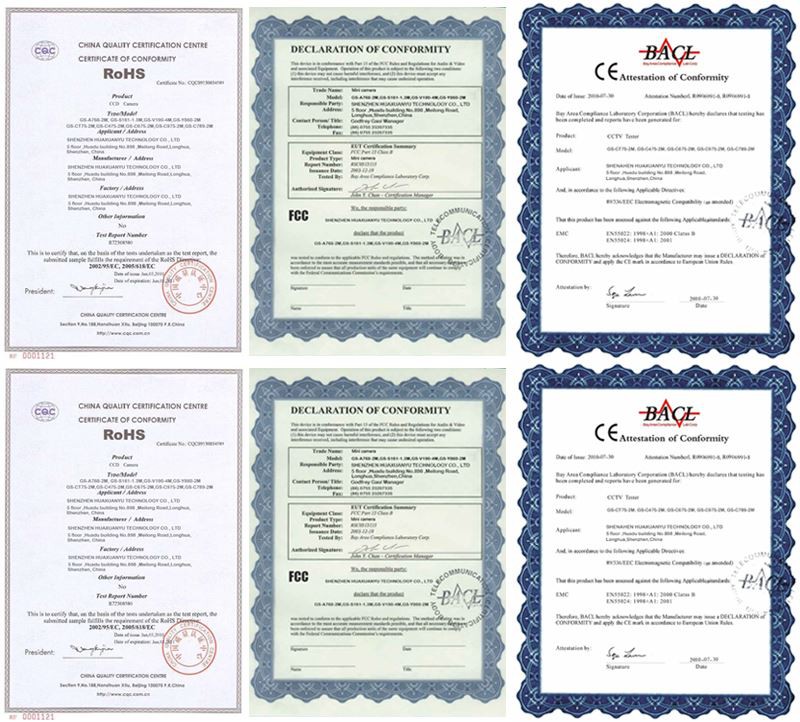
The factory was established in 2012, covering 20000 square feet, and has extensive knowledge in developing CCTV cameras.We have passed CE and FCC certifications.
Hot Tags: solar camera, China solar camera manufacturers, factory, solar outdoor camera wireless, cctv door camera, cctv camera system, wireless spy camera solar powered, outdoor solar camera system, security dvr recorders


